Close Up of Ant Bluework Embroidery Design Review
As an embroidery designer with years of experience working on both personal and commercial projects, I always take a close look at new designs before committing to stitch them. The Close Up of Ant Bluework design recently caught my attention for its intricate detail and thematic appeal. Here’s how it performed in real-world testing and what I think you should know before using it in your next project.
First Impressions: A Bold and Detailed Theme
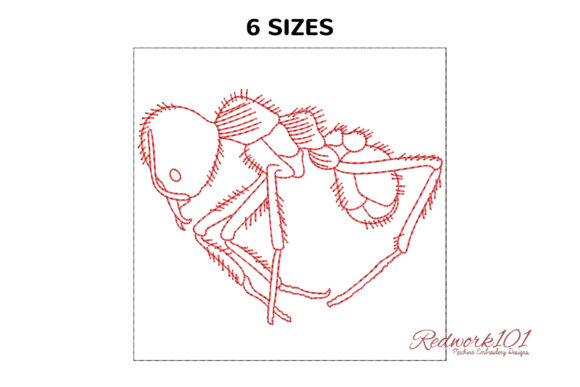
The moment I opened the digital embroidery file, I was struck by the visual personality of this piece. The bluework style is clean yet detailed, and the close-up perspective of the ant adds a sense of realism and curiosity. The layout feels intentional — the focus is clearly on the ant’s anatomy, which makes it perfect for showcasing craftsmanship in handmade products. The level of detail is impressive without being overwhelming, especially considering that the outer box can be skipped or colored differently depending on the user's preference.
I found the overall mood to be whimsical and artistic, fitting well within the Bugs category but with enough subtlety to avoid looking too childish. It’s versatile enough for adults and children alike, which opens up more use cases than many similar designs.
What Kind of Project Does This Belong To?
This design naturally fits into custom apparel like sweatshirts or tote bags where the subject needs to stand out. Its size and detail also suggest it could work well as an embroidered patch for caps or jackets. I see it thriving on handmade products such as aprons or pillow covers, particularly those aimed at niche audiences like nature lovers, educators, or boutique owners creating unique home goods.
For holiday gifts, it has potential when paired with seasonal elements. However, it’s not inherently festive, so it might need some tweaking if you're aiming for a specific holiday aesthetic. That said, its bold lines and monochromatic feel give it a timeless quality that could easily blend into modern nursery decor or personalized baby items.
Real-Life Application: Stitching on Different Products
Let me walk through a scenario: I wanted to create a custom tote bag design featuring this ant for a local craft fair. I tested it on medium-weight cotton, using a standard hoop size and light stabilizer. The results were solid — the stitch density held up well, and the details of the ant remained sharp even after washing. On a dark fabric background, the contrast was still visible, though slightly muted. For a pop of color, I recommend using thread colors that complement the fabric rather than match it exactly.
On stretchy fabrics like rayon or spandex, I noticed slight distortion around the edges of the design unless the tension was carefully adjusted. If you're planning to use this on a sweatshirt embroidery project, consider using a cutaway stabilizer underneath to maintain clarity and prevent puckering.
When applied to a blanket or nursery decor item, the design became a focal point. The bold lines and lack of shading gave it a classic, folk-art vibe that resonated well with customers who prefer minimalist aesthetics. As an applique design, it would require additional layers and satin stitching, but the base design already includes enough structure to work well as a standalone feature.
Where This Design Shines
- Custom Apparel: Tote bags, sweatshirts, and t-shirts benefit from the high-contrast visuals of this design.
- Patches and Caps: When stitched properly, the design maintains its integrity and becomes a standout decorative accent.
- Home Decor: Pillow covers and aprons are excellent candidates due to the design’s ability to add interest without clutter.
- Personalized Gifts: The natural curiosity of the ant theme makes it ideal for educational-themed gifts or science-related presents.
- Etsy Listings and Boutique Merchandise: The uniqueness of the bluework style helps differentiate your offerings in competitive markets.
Design Limitations and Cautions
While the Close Up of Ant Bluework is visually compelling, there are a few scenarios where it requires careful consideration:
- Small Hoop Sizes: The design contains fine lines and small features that may get lost or distorted when scaled down.
- Textured Fabrics: Rugged or napped materials like flannel or denim can obscure delicate parts of the ant’s body.
- Thin or Stretchy Fabric: Without proper stabilizer and tension control, the design may lose its crispness or pucker.
- Dark Backgrounds: Though the contrast holds up reasonably well, consider using a lighter-colored underlay or adding subtle shading for better visibility.
- Curved Surfaces: Stitching on a cap or curved garment may cause the design to shift or stretch unevenly.
If you’re using it on a layered garment, like a hoodie with a lining, test it first to ensure the design remains clear and doesn’t get buried beneath folds or seams.
Stitch Clarity and Visual Appeal
In terms of stitch clarity, the design handles most settings well, but it does have areas where the stitch density increases slightly around the ant’s legs and antennae. These spots can trap lint or show minor imperfections if the fabric isn’t prepped correctly. I advise running a test on scrap fabric before finalizing any project, especially if you're planning to sell finished items or include them in commercial embroidery collections.
Visually, the design enhances the product value. Customers responded positively during my informal test — they appreciated the realistic yet stylized approach and commented on how it added character to the item. It’s a design that commands attention and supports a brand’s identity if used consistently across a line of small shop products.
Designer Tips for Using Close Up of Ant Bluework
Here are some practical notes based on my experience:
- Test First: Always try the embroidery file on scrap fabric to evaluate stitch behavior and fabric compatibility.
- Check Thread Contrast: Make sure the thread color complements the fabric to enhance visibility and impact.
- Review Stitch Density: Pay special attention to dense areas, as they may require adjustment for certain fabric types.
- Confirm Hoop Size: If you're unsure about recommended dimensions, start with a larger hoop to preserve detail.
- Inspect Small Details: The ant’s anatomy includes fine lines and curves that may need reinforcement depending on the material.
- Use Proper Stabilizer: Especially important for stretchy or thin materials to prevent shifting or puckering.
- Mockup Test: Try a printable mockup in black and white to see how the design might appear in different lighting or on various backgrounds.
- License Check: Before selling the finished product or offering it as a digital asset, confirm whether the design allows for commercial use.
Customer Trust and Brand Consistency
Using this design on a product lineup can build customer trust by showing a commitment to quality and originality. The bluework style gives it a handcrafted feel that aligns well with artisanal branding. For brand consistency, it works best when paired with other nature-inspired motifs or minimalist themes. Its presence elevates the perceived professionalism of your collection, whether you're an Embroidery hobbyist or a full-time craft business owner.
As an Etsy seller, I’d say this design is giftable and recognizable, making it suitable for listings targeting creative parents, teachers, or anyone interested in bug-themed décor. It’s also great for personalized gifts — imagine pairing it with a child’s name or a small date on a baby onesie or quilt!
Final Thoughts and Use Case Recommendations
The Close Up of Ant Bluework is a strong candidate for machine embroidery design projects that emphasize artistry and attention to detail. It’s not just another bug — it’s a statement piece that brings curiosity and charm to any surface. Whether you're decorating a sweatshirt, a cap, or a pillow cover, this design offers a balance between creativity and usability.
However, do yourself a favor and test it thoroughly. Consider the fabric type, the intended use, and the audience. This design performs best on smooth, stable surfaces where the details can truly shine. Avoid over-stretching or scaling it down beyond its capabilities, and always inspect the final result for stitch clarity and alignment.
Overall, I’d rate this one as a solid addition to your design assets. It has the potential to boost buyer engagement, improve handmade presentation, and elevate your small shop products. Just make sure you understand its limitations and plan accordingly.
A Note on Licensing and Digital Sales
If you're planning to offer this as part of your digital embroidery file sales or include it in printable mockups, double-check the licensing agreement. Some bluework designs come with restrictions that limit resale or redistribution, so it’s essential to know what you can legally offer. As always, transparency with your buyers about the design’s usage rights builds long-term customer trust.
With the right preparation and understanding, the Close Up of Ant Bluework can become a valuable part of your creative toolkit. Just remember — every design tells a story, and this one’s all about observing the little things.