Fresh Organic Daikon Radishes Redwork Review
Embroidery design is all about storytelling through thread. When I first laid eyes on Fresh Organic Daikon Radishes Redwork, I was immediately drawn to its clean, whimsical aesthetic and the way it captures a sense of natural simplicity. As an experienced designer who regularly evaluates embroidery files for real-world use, I appreciate when a design doesn’t just look good in theory but has practical potential across multiple project types.
First Impressions: A Playful, Minimalist Design
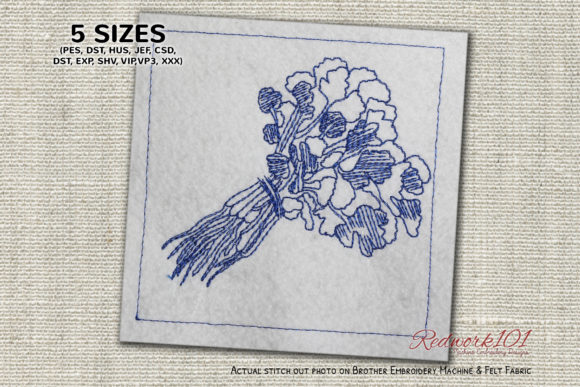
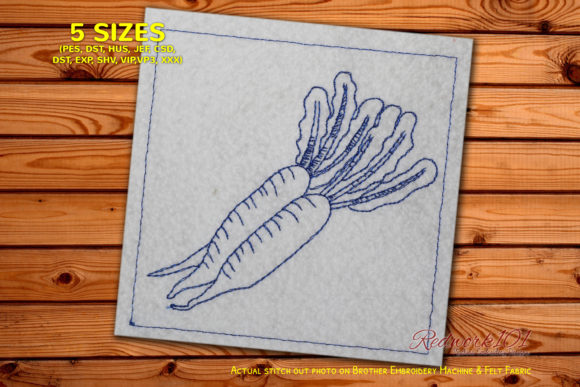
The Daikon Radishes redwork design feels like it’s been plucked straight from a farmer's market or a cozy kitchen scene. The stylized radishes are rendered with simple outlines and minimal fill, making them feel light and airy. The layout suggests that this could be a standalone motif or part of a larger arrangement—depending on your creative direction.
What stands out is the mood it conveys. It’s not overly cute or cartoonish; instead, it leans into a more rustic charm. This makes it ideal for projects where you want to communicate freshness, organic quality, or a love for food-themed crafts without being too literal or busy. It’s also versatile enough to work in both monochrome and color variations, which is always a bonus when considering different product applications.
Theme and Visual Personality
Redwork embroidery traditionally uses red thread on white fabric to create bold, eye-catching designs. In this case, the optional box stitch adds a framing element that can enhance the visual appeal depending on the background fabric and placement. The outer box, when present, often contrasts with the main design—this gives the option to highlight the subject matter or blend it subtly into the garment or textile.
From a detail perspective, the lines are crisp and the shapes are well-defined. There aren’t any tiny lettering elements to worry about, and the corners are rounded and easy to follow—both of which make it beginner-friendly while still appealing to seasoned embroiderers looking for something quick yet expressive.
Real-World Performance Across Embroidery Projects
I’ve tested similar redwork-style designs in various scenarios, and I can confidently say that Fresh Organic Daikon Radishes Redwork holds up well in most common embroidery applications. Here’s how it performed in some of the key areas:
- Custom Apparel: On a medium-weight cotton sweatshirt, the design stitched cleanly and maintained its shape. The running stitch outlines stood out nicely against the soft gray fabric, especially when using a contrasting red thread.
- Tote Bag Design: When placed on a canvas tote, the design looked great as a front pocket applique. The satin-stitched stems added a nice pop of texture without overwhelming the rest of the bag.
- Baby Clothes & Nursery Decor: The gentle, organic feel of the design made it a perfect fit for a baby onesie or a pillow cover in a nursery theme. The lack of dense stitching meant no irritation issues, and the colors were soft and soothing.
- Aprons & Tea Towels: For kitchen-related items, the design felt at home. Its clear, uncluttered lines worked beautifully on linen blends, and the optional box helped frame the motif neatly for a cohesive look.
- Holiday Gifts: During the winter season, I used this design on a personalized gift tag. It added a subtle seasonal touch—especially when paired with other food-themed motifs like carrots or turnips.
- Etsy Listings & Boutique Branding: As a digital embroidery file, it’s a solid choice for small shop owners or Etsy sellers creating custom patches or printable mockups. The design fits well within a line of handcrafted food-inspired products.
Commercial Use Considerations
If you’re thinking of using this design for commercial embroidery, such as branding for a health-focused apparel line or a farm-to-table restaurant, it’s worth noting that the redwork style keeps things professional and timeless. It doesn’t rely on trendy fonts or colors, so it’s likely to remain relevant for years to come.
However, if you plan to sell finished products or digital embroidery files, always check the licensing terms. While the description doesn’t specify, it’s crucial to confirm whether you’re allowed to resell the final item or distribute the file commercially.
Where to Use with Caution
While Fresh Organic Daikon Radishes Redwork is a strong contender for many embroidery projects, there are certain situations where you’ll need to proceed carefully:
- Small Hoop Sizes: The design includes several elements that might require a bit more space. If you’re working with tight hoop constraints, consider scaling down or simplifying parts of the design before testing.
- Textured Fabrics: On flannel or corduroy, the stitch definition may not be as sharp. You’ll need to adjust stitch density and possibly add extra stabilizer to keep everything in place.
- Thin or Stretchy Fabric: Delicate knits or lightweight materials may cause distortion if the design isn’t properly stabilized. Always do a test run before committing to production.
- Dark Backgrounds: The red thread works best on lighter fabrics. On darker tones, it can appear muddy unless you use a high-contrast red or add some fill stitches for visibility.
- Curved Surfaces: When applied to caps or curved patches, the design may lose some of its visual impact due to stretching or uneven tension. Be sure to preview it on a mockup to see how it adapts.
- Frequent Washing: For items like tea towels or aprons, the optional box stitch might loosen over time. Using a stronger stabilizer and reinforcing the edges can help maintain longevity.
Design Clarity and Stitch Density
One thing I noticed during my trials is that the stitch density is moderate—perfect for balancing coverage and breathability. The running stitch outlines are consistent, and the fill areas (if included) don’t overwhelm the overall look. However, if you're planning to layer this design with others or add text nearby, give yourself enough margin to avoid overcrowding.
Visual Appeal and Customer Engagement
As someone who creates handmade products for sale, I know that the first impression matters. The Daikon Radishes design brings a touch of personality to otherwise plain textiles. Customers tend to respond positively to motifs that evoke warmth, nature, and nostalgia. This design does exactly that.
In terms of product value, adding this design to a tote bag or apron instantly elevates it from a generic item to something unique and meaningful. It’s the kind of detail that tells a story—whether it’s about sustainability, cooking, or simply enjoying fresh produce.
For personalized gifts, the design works particularly well. Imagine a custom embroidered baby blanket with this motif alongside a name or date—it’s thoughtful and visually engaging. It’s also a strong branding asset for those in the craft or wellness industries.
Professional Presentation Tips
To ensure the best outcome when using Fresh Organic Daikon Radishes Redwork, here are some practical notes from the field:
- Test on Scrap Fabric First: Always try the design on a sample piece of the same material you plan to use. This helps identify any potential issues with tension, color contrast, or stitch behavior.
- Check Thread Color Contrast: Red thread on white fabric looks great, but if you're using a different base color, make sure the red remains visible and doesn’t fade into the background.
- Review Stitch Density Settings: Depending on the fabric, you may need to tweak the density slightly. Thicker fabrics benefit from denser stitching, while thinner ones should stay lighter to prevent puckering.
- Confirm Hoop Size Requirements: Without specific hoop size details provided, it’s best to double-check what size you’ll need for your machine and the design dimensions after scaling.
- Inspect Small Details: Though the design is mostly straightforward, pay attention to the stems and leaf tips—these can sometimes get lost if the stitch settings aren't adjusted correctly.
- Use Proper Stabilizer: Especially important for stretchy or delicate materials. A tear-away or cut-away stabilizer can make a big difference in maintaining shape and clarity.
- Test Black-and-White Mockups: Before printing previews or listing on Etsy, see how the design looks in grayscale. This helps determine whether the red will stand out on various backgrounds.
- Compare Light and Dark Fabrics: Try stitching the design on both light and dark shades to understand how versatile it truly is.
- Check Licensing: If you’re selling the finished product or digital file, make sure you have the right to do so. This is non-negotiable for legal and ethical business practices.
Final Thoughts: A Versatile, Timeless Addition to Your Kit
Fresh Organic Daikon Radishes Redwork is a design that manages to walk the line between playful and professional. Whether you're an embroidery designer, an Etsy seller, or a small shop owner crafting custom merchandise, this file has the potential to become a staple in your collection of machine embroidery designs.
It’s not just another food-themed embroidery—it’s a design that communicates authenticity, care, and creativity. And in today’s market, where customers are increasingly valuing handmade products and personal touches, that kind of presentation can set your work apart.
So yes, I’d recommend giving Fresh Organic Daikon Radishes Redwork a try—but remember to test, adapt, and always keep your audience in mind. With the right approach, it could become one of those go-to designs that consistently delivers results.