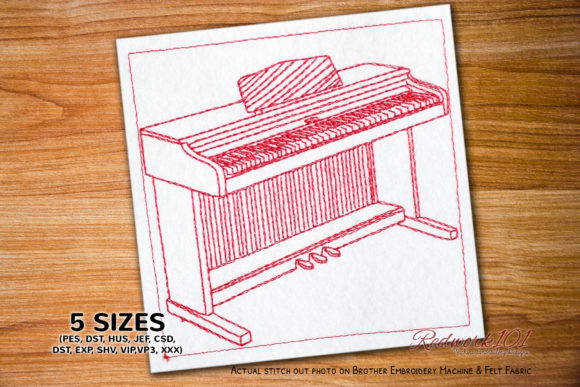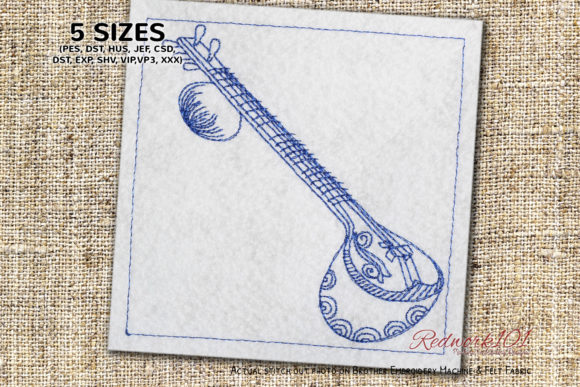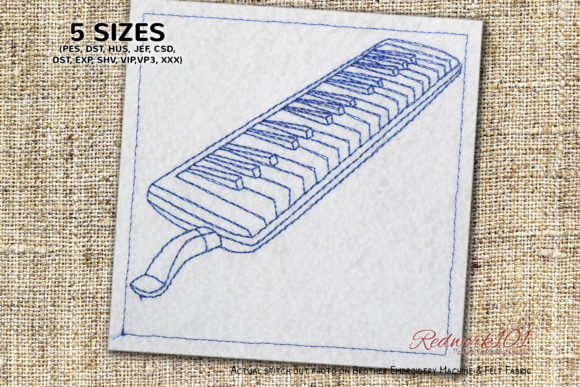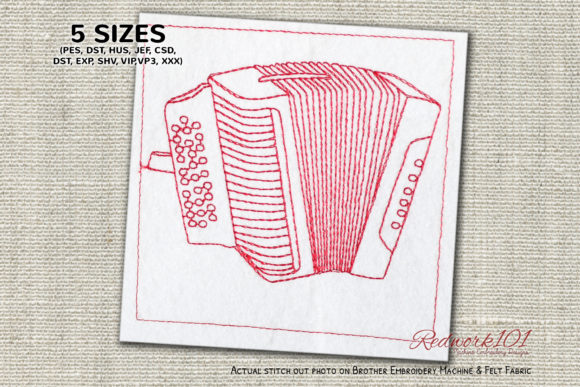
Marimba Musical Instrument Redwork Review
As an experienced embroidery designer, I'm always on the lookout for high-quality machine embroidery designs that offer both visual appeal and practical performance. Recently, I had the opportunity to evaluate the Marimba Musical Instrument Redwork from Creative Fabrica, and after testing it across several real-world handmade and commercial projects, I’m ready to share my honest take.
First Impressions: A Harmonious Design
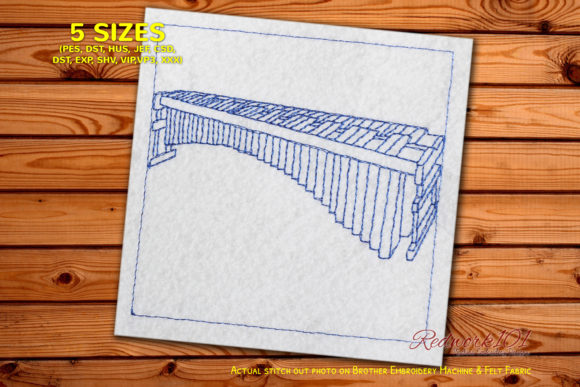
The moment I downloaded the digital embroidery file, I was drawn to its clean and artistic presentation. The Marimba Musical Instrument Redwork design features a stylized marimba with bold outlines and minimal shading, making it ideal for redwork-style embroidery. Its simplicity doesn’t mean lack of character — quite the opposite. The attention to detail in the wooden bars and resonators gives the design a professional and polished feel.
This redwork design has a distinct visual mood — playful yet elegant. It’s perfect for those who want to add a touch of musical charm without overwhelming the fabric. The optional Box Stitch element adds a decorative edge, which can be toggled depending on the look you're aiming for.
Practical Applications for Handmade Projects
I tested the Marimba Musical Instrument Redwork on various handmade products, including tote bags, sweatshirts, aprons, and pillow covers. Here's how it performed:
- Tote Bag Design: The design stitched beautifully on medium-weight cotton canvas. It added a unique flair to a basic bag, transforming it into a personalized gift or Etsy listing.
- Sweatshirt Embroidery: On soft fleece, the design maintained its crisp lines thanks to proper stabilizer use. The optional box stitch gave it a finished look that stood out.
- Baby Blanket & Apron: For smaller items like these, the design’s moderate size worked well when scaled down. It didn’t lose clarity and retained its charm on delicate fabrics.
- Kitchen Towel & Pillow Cover: These items benefited from the contrast of thread colors against light-colored backgrounds. The redwork style is especially effective on white or pastel fabrics.
Commercial Use Considerations
When considering this design for commercial embroidery, I found it versatile enough for boutique merchandise and craft fair products. It fits well within a range of themes — from music-themed apparel to nursery decor. The design’s classic aesthetic also makes it suitable for seasonal handmade gifts or as part of a curated collection of design assets.
One standout feature is how easily it integrates into printable mockups for marketing purposes. Whether promoting custom apparel or embroidered patches, the design maintains its quality and clarity in digital formats.
Performance Across Different Fabrics and Techniques
Embroidery success often depends on the material being used. Here are some observations based on fabric types and techniques:
- Small Hoop Sizes: The design works well in hoops as small as 4x4 inches if appropriately scaled. However, be cautious when reducing the size too much, as some details may become lost.
- Tiny Lettering: If your version includes text, ensure it's legible even at reduced sizes. Always test lettering separately before stitching it onto final products.
- Dense Stitch Areas: There are no overly dense sections in this design, which is great for minimizing tension issues. Still, review the stitch density settings on your machine for optimal results.
- Textured Fabric: The redwork style handles textured surfaces better than intricate fill stitches. It looked fantastic on linen and burlap, though I did use extra stabilizer to maintain sharpness.
- Stretchy Fabric: When using stretchy materials like knits, secure the design with cutaway stabilizer. I noticed slight distortion on jersey fabric without it, but it was manageable with proper preparation.
- Dark Fabric: While the design looks stunning on light backgrounds, I recommend using a pale thread color (like ivory or light gray) for dark fabrics to ensure visibility and contrast.
- Curved Cap Surfaces: The design adapts well to curved surfaces with minor seam adjustments. It’s a solid choice for embroidered patches on caps or headbands.
- Layered Details: The design is mostly single-layer, so it doesn’t require multiple passes or complex layering techniques. This makes it beginner-friendly while still appealing to professionals.
- Frequent Washing: As a redwork design with satin and running stitches, it held up well after multiple washes on cotton and polyester blends. No fraying or loosening was observed when properly stabilized.
Design Impact on Product Value and Branding
Incorporating the Marimba Musical Instrument Redwork into your handmade or retail offerings can significantly enhance their value. The design brings a sense of creativity and uniqueness to standard items like tote bags or aprons. Customers appreciate the thoughtful touches in personalized gifts, and this design does exactly that.
For Etsy sellers and small business owners, this design helps establish brand consistency. The clean lines and structured layout make it easy to pair with other minimalist or music-themed embroidery files. It also looks great in product photography, adding a pop of interest to otherwise plain items.
What I particularly love is how it elevates the handmade presentation. It feels intentional and crafted, which builds buyer trust and increases perceived quality. Plus, it’s highly giftable, whether for a birthday, holiday, or special occasion.
Embroidery Tips for Getting the Most Out of Marimba Redwork
To ensure the best outcome when using Marimba Musical Instrument Redwork, here are a few practical tips:
- Test on Scrap Fabric: Before committing to a customer order or batch production, always stitch a sample on similar fabric to check for accuracy and durability.
- Check Thread Color Contrast: Make sure the thread colors you choose stand out clearly against the fabric. Light-colored threads work best on darker bases, and vice versa.
- Review Stitch Density: Adjust your machine settings if needed to prevent puckering or gaps in the stitch pattern. This design is forgiving, but not immune to improper tension.
- Confirm Hoop Size: Double-check the hoop dimensions required by the design. If the product page doesn't specify, test different sizes to find the most stable one.
- Compare Light and Dark Fabric Mockups: Visualize how the design will appear on both ends of the spectrum. This helps in selecting the right thread colors and preparing realistic previews for customers.
- Use Proper Stabilizer: Especially important for stretchy or thin fabrics. A tear-away or cutaway stabilizer will keep the design intact through washing and wear.
- Inspect Small Details After Stitching: Zoom in on the final piece to ensure all elements are clearly defined and there are no missed stitches or distortions.
- Confirm File Details and Licensing: Always revisit the Creative Fabrica product page to verify technical specifications and licensing terms before selling finished items.
Final Thoughts: Is It Worth Adding to Your Embroidery Collection?
After using the Marimba Musical Instrument Redwork in multiple project scenarios, I can confidently say it's a valuable addition to any embroidery designer's library. It balances simplicity with sophistication and adapts well to both personal and commercial applications.
If you’re looking to expand your music-themed design portfolio, this redwork design offers a fresh approach to incorporating musical motifs into everyday items. It’s not just a design — it’s a statement. And for those who prioritize ease of use and consistent results, this design delivers.
Remember, every embroidery file needs a bit of care and customization to fit your specific needs. With the right preparation and attention to detail, the Marimba Musical Instrument Redwork can become a signature element in your custom apparel and handmade products.