Review of the Lute Embroidery Design for Apparel Projects
As an embroidery designer with years of experience in boutique apparel and small-batch sweatshirt collections, I always look for designs that balance visual appeal with practicality. The Lute embroidery design from Creative Fabrica caught my eye not just because of its musical theme, but also for how it can elevate a wide range of handmade products and custom apparel. In this review, I’ll walk through what makes Lute a compelling addition to your next project and how best to use it across different garments and fabrics.
First Impressions: A Design with Personality
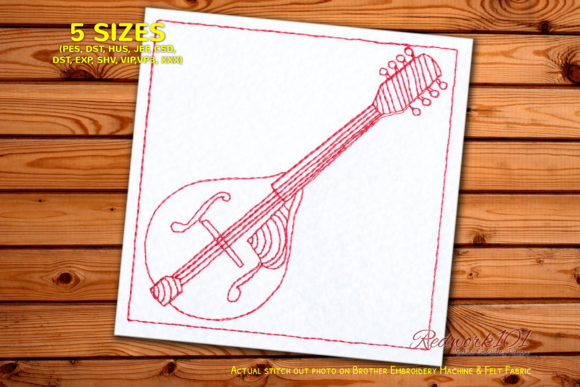
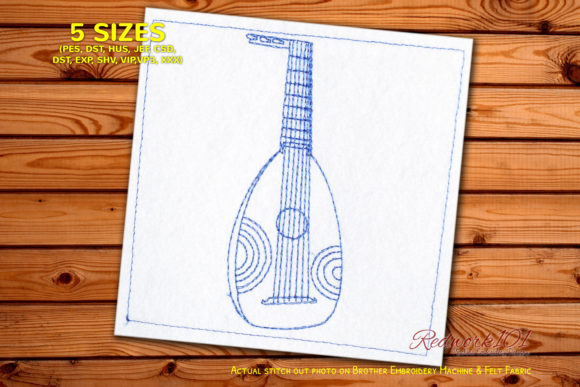
At first glance, Lute feels both classic and contemporary. It’s a stylized depiction of a lute — a plucked stringed instrument with a long neck bearing frets and a rounded body with a flat front. The design carries a certain elegance while remaining approachable, making it versatile enough for various styles and audiences.
- Visual Personality: Lute has a subtle charm that leans into the music category without being too niche. Its shape is symmetrical and balanced, which gives it a premium look suitable for boutique brands.
- Stitching Mood: The stitching mood is clean and deliberate. It doesn’t scream boldness, but rather whispers sophistication — perfect for those who want to add character without overwhelming their product.
- Detail Level: While not overly intricate, Lute offers enough detail to stand out as a quality machine embroidery design. The optional box stitch around the outer edge adds structure and definition, especially when using a contrasting thread color.
- Decorative Strength: This design is mid-range in terms of decorative strength. It works well as a focal point or a supporting accent depending on placement and scale.
- Mood & Style: I’d describe Lute as feminine, playful, and slightly rustic. It could easily fit into a cozy seasonal collection or a modern pastel-themed line.
Sweatshirt Embroidery and Hoodie Designs
The Lute embroidery design is ideal for sweatshirt embroidery and hoodie chest placements. Its structured form translates well onto soft knits, especially when scaled to about 3-4 inches. For oversized hoodies, consider enlarging the design slightly to maintain visual impact. On darker hoodies, a white or light-colored thread choice will help it pop, while on pastels or neutrals, muted tones can create a softer, more refined appearance.
If you're planning sleeve accents, Lute is a great candidate due to its compact yet recognizable shape. Placing it near the shoulder or along the bicep area can add a unique touch without becoming distracting. On back designs, especially larger ones, be mindful of stitch density and fabric texture to ensure the design remains crisp and professional-looking.
T-Shirt Embroidery and Denim Jackets
For t-shirt embroidery, Lute shines when paired with minimalist fashion aesthetics. Its shape and symmetry make it adaptable to both front and back placements. On cotton blends, the design holds up beautifully, especially with the right stabilizer and hoop size. For denim jackets, where durability is key, the optional box stitch can provide extra stability and visual contrast against the heavier fabric.
Tote Bag Embroidery and Merchandise Design
When considering tote bag embroidery, Lute brings a sense of artistry and uniqueness to the piece. Its rounded body fits nicely within the confines of a rectangular bag, and the optional box stitch helps define the edges, preventing the design from appearing lost. As a handmade product feature, it adds a layer of storytelling — perfect for Etsy sellers or boutique brands looking to connect with customers through meaningful design elements.
For boutique merchandise, whether it's a limited-run hoodie or a custom gift item, Lute can serve as a signature motif. It subtly communicates a love for music and craftsmanship, enhancing brand identity and buyer trust. The design is especially effective in lifestyle product photos, printable mockups, and social media graphics due to its clear lines and defined silhouette.
Where to Use Lute Carefully
While Lute is a strong contender for many projects, there are a few considerations to keep in mind before finalizing placement:
- Small Chest Placement: At smaller sizes, the design may lose some of its visual clarity. Test on scrap fabric before committing to ensure the details remain legible.
- Dense Stitch Areas: The inner sections of the lute might require careful handling if stitched densely. Too much tension or incorrect stabilizer choices can cause puckering, especially on stretchy or thin fabrics.
- Stretchy Fabrics: Avoid using Lute on highly stretchy materials like spandex blends unless you’re confident in your machine settings and stabilizer support. Stretch can distort the delicate curves of the design.
- Fleece and Ribbed Fabrics: These textures can affect the smoothness of stitches. Consider adjusting stitch length or using a tear-away stabilizer underneath for better results.
- Dark Garments: Thread colors must have enough contrast to be seen clearly. Lighter shades work best on black or navy bases to avoid blending into the background.
- Curved Surfaces: If placing Lute on a curved surface like a sleeve or hood, adjust the design orientation or split it to prevent distortion.
- Tiny Lettering (if applicable): If the design includes any text or minuscule details, test them separately. Some areas may not translate well at smaller scales.
- Stretch-Prone Zones: Areas like underarms or hems should be avoided for Lute embroidery unless you’re prepared to address potential wrinkling or stretching post-production.
Design Notes for Professional Results
To get the most out of the digital embroidery file, here are a few tips based on my experience:
- Test on Scrap Fabric: Always do a trial run to see how the design behaves on your specific material. Fabric type and weight can dramatically influence the final look.
- Confirm Stabilizer Choice: Depending on your garment fabric, choose between cut-away, tear-away, or no-show stabilizers. Cotton and fleece typically handle tear-away well, while stretchier materials may need cut-away support.
- Review Thread Color Contrast: Select thread colors that complement your brand palette and stand out against the base fabric. A good rule of thumb is to ensure at least 50% contrast for visibility.
- Check Hoop Size: Before stitching, confirm the recommended hoop size for the design. Incorrect hooping can lead to misalignment or distortion.
- Inspect Stitch Density: Especially in the center of the lute body, high-density stitching can pull the fabric. Adjust as needed for your machine and fabric combination.
- Test on Similar Garment Fabric: Don’t assume performance on one fabric will match another. Always test on a sample that mirrors your production materials.
- Compare Placement Options: Try different positions and sizes to find the best visual harmony. Sometimes a smaller, centered version looks more elegant than a large, off-center one.
- Review Licensing: Before selling finished products, always check the licensing terms of the Creative Fabrica embroidery design to ensure compliance. This protects your business and maintains product recognition.
Enhancing Brand Value and Customer Engagement
Incorporating the Lute design into your small shop product lineup can significantly enhance your brand’s visual consistency and perceived professionalism. Whether you're targeting a cozy fall collection or a trendy spring line, Lute offers a timeless aesthetic that resonates with a broad audience. Its subtle nod to music culture can attract niche markets like indie musicians, vintage lovers, or fans of artisanal soundscapes.
From a customer engagement standpoint, Lute’s presence on your commercial embroidery items can spark curiosity and conversation. When used thoughtfully, it becomes part of your brand identity, helping buyers recognize your products instantly. This is particularly useful for Etsy sellers and online boutiques where product presentation is everything.
Final Thoughts for Embroidery Designers
Overall, the Lute embroidery design is a solid pick for designers aiming to blend artistic expression with commercial viability. It’s not the kind of design that demands attention — instead, it invites it. That makes it perfect for sweatshirt embroidery collections that prioritize comfort and style in equal measure.
Whether you’re preparing a cozy winter capsule or launching a new custom apparel line, Lute provides the kind of visual depth and emotional resonance that can set your products apart. Just remember to take the time for testing, stabilizer selection, and placement experimentation to ensure it meets your standards for a finished product.
As a designer, I believe the best way to grow your handmade business is by choosing designs that reflect your creative voice while standing up to the demands of production. Lute does exactly that — and then some.