Xylophone Redwork for Branding
First Impressions of Xylophone Redwork
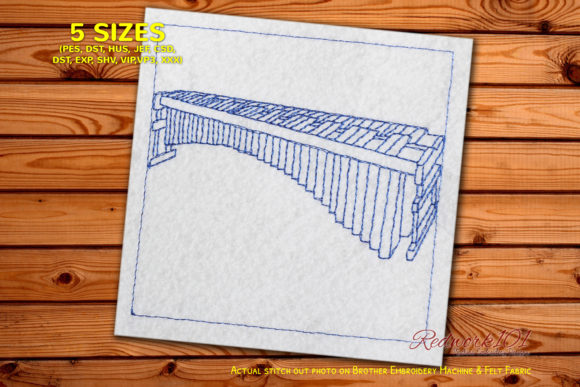
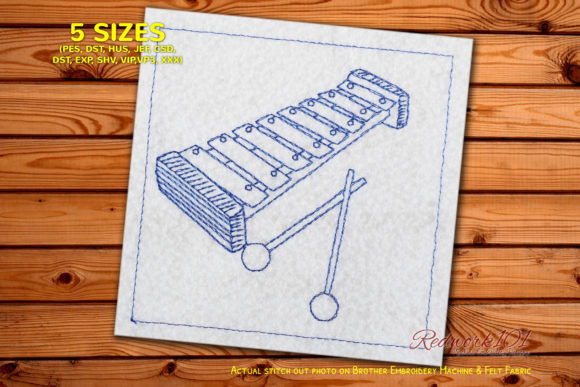
The Xylophone Redwork embroidery design makes a strong first impression with its clean, monochromatic aesthetic. As an experienced embroidery designer, I immediately notice the simplicity and elegance that redwork designs are known for. This particular piece feels both handmade and professional, striking a balance between nostalgic charm and modern usability. The optional box stitch adds a subtle frame, but it’s clear from the description that flexibility is key—allowing users to customize the look depending on their branding needs.
Its musical theme gives it a creative edge, making it especially appealing for businesses in the arts, music, or craft industries. However, the versatility of this design goes beyond just those niches. It can serve as a quiet statement for any brand looking to add a touch of whimsy without overwhelming the eye.
Embroidered Patches and Branded Merchandise
Xylophone Redwork works well as an embroidered patch for small business owners who want to personalize items like tote bags, aprons, or custom lanyards. Its high-contrast style stands out even on darker fabrics, which is crucial for visibility. For brand identity, the design brings a sense of playfulness and creativity, ideal for cafés, handmade shops, or Etsy sellers aiming to differentiate themselves in a crowded market.
Staff Uniforms and Work Shirts
Incorporating this design into staff uniforms can subtly reinforce your brand’s personality. Whether placed as a chest logo accent or sleeve detail, it adds character without being too loud. The redwork style complements both casual and more formal attire, and its minimalism ensures it won’t clash with other uniform elements. Just be mindful of stitch density and fabric type to ensure durability and comfort for employees.
Cap Embroidery and Tote Bag Design
For cap fronts, the xylophone motif offers a unique alternative to standard logos. Its recognizable shape and clean lines make it easy to identify at a glance, helping boost customer recognition. On tote bags, the design serves as a perfect branded mark—especially if you're selling eco-friendly products or offering them as customer gifts. A large-scale version will make a bold statement, while a smaller one keeps the look refined and subtle.
Apron Embroidery and Boutique Merchandise
This design also shines on aprons, particularly for bakeries, cafés, or creative studios. The playful yet elegant nature of the xylophone aligns well with brands that value a handmade product vibe. When used on boutique merchandise such as reusable shopping bags or aprons, it enhances the visual appeal and supports a cohesive brand identity.
Event Merch and Commercial Embroidery Projects
If you're planning event merch like badges, buttons, or small patches for a local festival or workshop, Xylophone Redwork could be a great choice. It's versatile enough to work on different substrates and sizes, and when paired with other design assets, it helps create a unified look across all promotional materials. For larger commercial embroidery projects, consider how the design will scale and whether it maintains clarity and impact when repeated across multiple items.
Where to Use Xylophone Redwork with Caution
While Xylophone Redwork is a strong contender for many uses, there are some scenarios where it might not perform as expected:
- Small Patch Sizes: If using the design for tiny embroidered patches, test it first. Fine details may become lost unless the stitching is optimized for miniaturization.
- Curved Surfaces: Due to the linear nature of redwork, the design may not adapt as easily to curved surfaces like sleeves or hat crowns. Consider simplifying the shape or adjusting the layout.
- Tiny Lettering or Textured Fabric: If the design includes text or intricate elements, be cautious when applying it to items with textured surfaces. Stitch quality can suffer, affecting the overall professionalism of the finished product.
- Dark Uniforms: While the design has good contrast, thread colors must be carefully chosen to stand out on dark backgrounds. Testing on real fabric before production is essential.
- Frequent Washing: High stitch density areas may wear faster over time. Make sure the design is suitable for items that undergo frequent laundering, such as aprons or work shirts.
Design Notes for Embroidery Shops and Merch Creators
Before committing to use Xylophone Redwork in a commercial project, here are some practical tips based on my experience:
- Test in Black and White First: Since redwork is traditionally single-color, assess how the design looks in grayscale before choosing thread colors.
- Check Small Patch Compatibility: Ensure the design remains legible and proportionate when scaled down for patches or labels.
- Review Thread Color Contrast: Choose thread colors that enhance the visibility of the design on your chosen fabric and background color.
- Inspect Spacing and Layout: Look for tight spacing or overlapping stitches that might cause issues during digitization or embroidery.
- Confirm Hoop Size: Be aware of the required hoop size for optimal results. If unspecified, always double-check before purchasing the digital embroidery file.
- Use Proper Stabilizer: Especially for delicate or stretchy fabrics, the right stabilizer is critical to maintaining the integrity of the design.
- Create a Printable Mockup: Before finalizing production, provide clients with a mockup showing how the design will appear on the actual item. This builds trust and ensures satisfaction with the small business merch.
- Compare with Other Design Assets: Evaluate how Xylophone Redwork fits within your existing brand visuals. Consistency across custom apparel and packaging is key to reinforcing brand recognition.
- Confirm Commercial Licensing: Always verify licensing terms before using the design for commercial purposes. Some digital embroidery files require specific permissions for resale or mass production.
Impact on Brand Identity and Customer Engagement
The visual consistency offered by Xylophone Redwork can significantly enhance a brand’s identity. Its timeless, handcrafted feel resonates with audiences who appreciate artisanal aesthetics, making it a powerful tool for craft business assets and handmade brands. The design doesn’t shout, but it does speak—a quiet assurance of quality and creativity.
From a psychological standpoint, the xylophone symbolizes fun, rhythm, and innovation. These traits can help build customer trust and engagement, especially for niche businesses like pet brands, flower shops, or creative co-working spaces. A well-placed embroidered patch featuring this design can turn a simple tote bag or apron into a memorable brand touchpoint.
Additionally, because redwork is rooted in traditional embroidery techniques, it can give your products a premium appearance. This perceived value often translates into higher customer expectations and, when executed properly, increased loyalty and repeat purchases.
Final Thoughts for Embroidery Designers and Merch Creators
Overall, Xylophone Redwork is a compelling option for machine embroidery design that blends tradition with modern branding needs. It’s adaptable, visually engaging, and capable of elevating a wide range of branded merchandise. However, success depends on thoughtful application and preparation.
As a designer, I recommend treating this file like any other digital embroidery file: test it thoroughly, understand its limitations, and apply it strategically. Whether you're embroidering caps, tote bags, or product packaging accents, the goal is to ensure the design supports your brand message and delivers lasting value.
With careful planning and attention to detail, Xylophone Redwork can become a meaningful part of your commercial embroidery portfolio. It's not just about adding a pretty pattern—it's about creating a visual language that customers connect with, remember, and ultimately trust.